
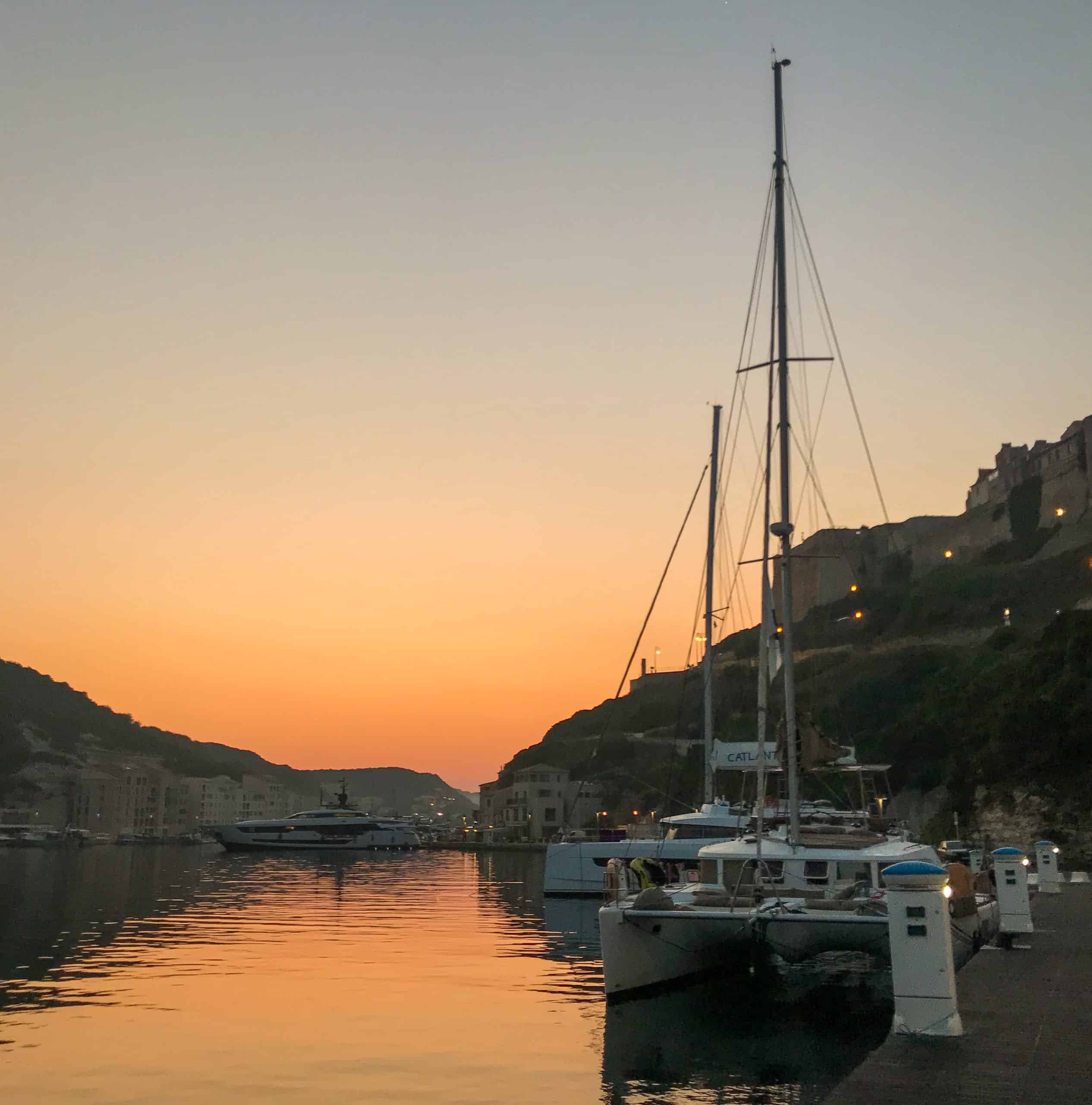
A Complete Guide on How to Get to Corsica
Find out how to get to Corsica including popular routes from France, Italy and Sardinia.
The island of Corsica should be on everyone’s bucket list. The beaches are dreamy, the landscapes are diverse and the culture is rich. It is an island with much to discover, which makes it impossible to see everything in just one visit.
And trust us, you’ll want to come back!
A trip to Corsica truly means you are visiting a sandy paradise, one of the best vacation hotspots in all of Europe, all while being relatively underrated.
Along with the handful of different ways to reach Corse, we’re also sharing some practical information on visiting Corsica including the best time to visit and how to get around.
Affiliate Disclaimer: Please note that some links found in our posts are affiliate links. Should you choose to purchase through these links, we may receive a small commission at no extra cost to you.
The Essentials for Getting to Corsica
⛴ It’s possible to reach Corsica by ferry from mainland France, Italy and Sardinia. This is helpful to know for passengers traveling with a car.
🇫🇷 If you’re flying internationally in hopes of visiting Corsica, the best place to fly into is Paris. From Paris, you can catch one of the multiple direct flights to Corsica.
🛬 The island of Corsica is home to more than one airport. Double-check the information when browsing flights to make sure you know which airport you’re flying into on the island.
🚘 While visiting Corsica, it’s recommended to rent a car in order to get around. Or, opt for one of the handful of 4WD tours to reach more secluded areas of the island.
Where Is Corsica?
Corsica, also known as Corse in French, is an island in the Mediterranean Sea. It sits below mainland France and 56 miles (90 km) west of mainland Italy.
The popular island of Sardinia is perched below where the 7 mile (11 km) Strait of Bonifacio separates the two islands. Although drenched in heavy Italian influence, the island of Corsica belongs to France.
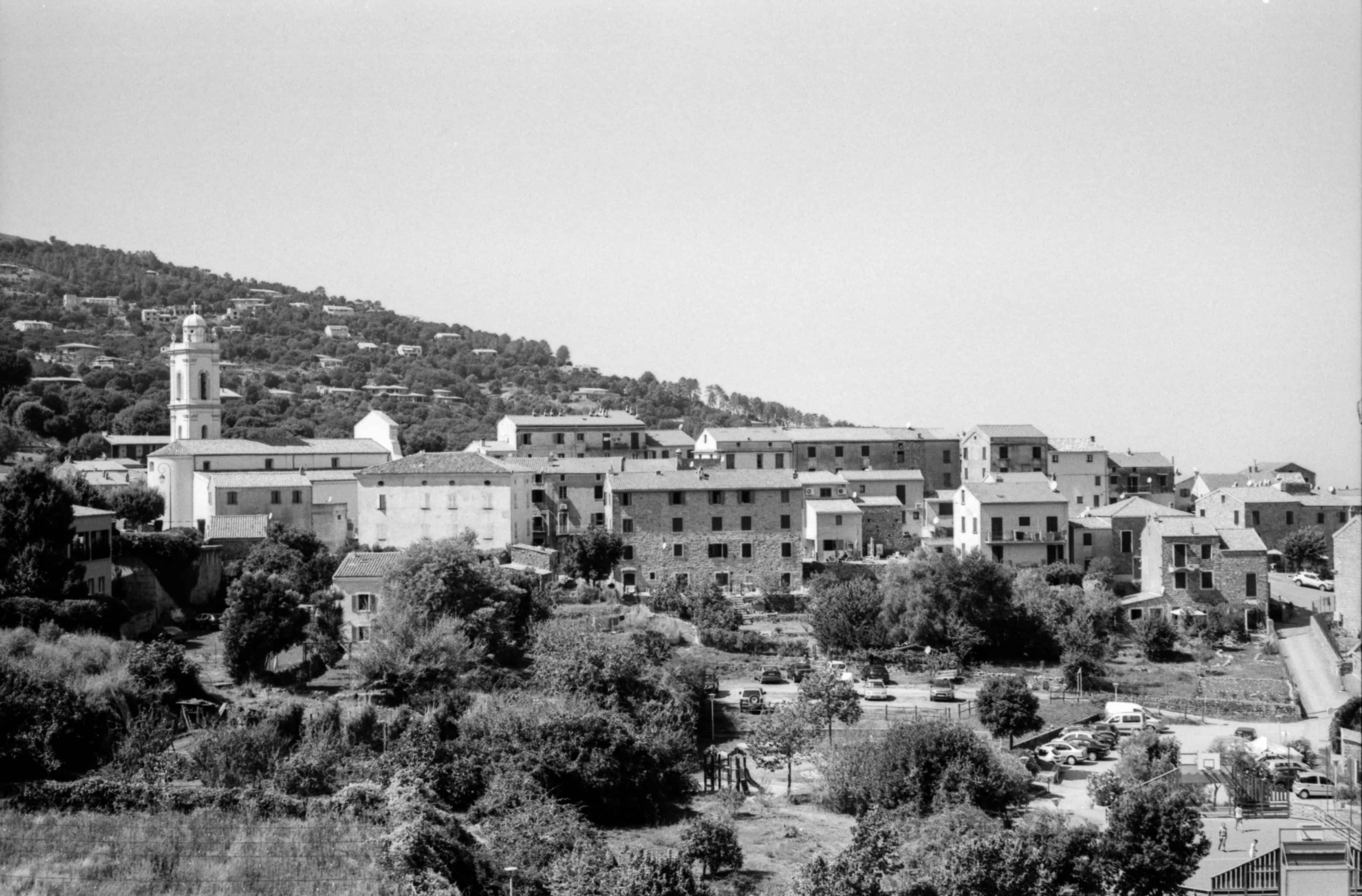
Taking a Ferry to Corsica
The number of ferries to Corsica is abundant. This has resulted in ferry travel to be an incredibly popular way to get to Corse island. You’ll see below that the possibilities of arriving in Corse by ferry are very practical.
Routes depart from various locations and arrive in Corsica on all sides of the island.
Taking a ferry to Corse is also feasible not only from France but other European ports. The most frequent and favoured Corsica ferry is operated by Corsica Sardinia Ferries which runs service between Corse, Sardinia and Elba.
The vast amount of ferry routes and frequency of them makes taking the ferry to Corse an efficient and flexible option for getting there. We’ve included brief overviews on how to get to Corsica from a few popular departure locations such as mainland France and Italy below.
Things to Know Before Taking a Ferry to Corsica
- Crossing times will clearly depend on which port you depart from and arrive in. They can range anywhere from 2.5 hours to 12 hours!
- For longer haul rides, private seats and cabins are available for additional fees.
- There are a few different major companies who operate ferry routes to Corsica. They include Corsica Ferries, Corsica Linea, La Meridionale and Moby Lines. Unless you’re loyal to a specific company, there isn’t too much of a difference in terms of quality. Do not worry about choosing the best company as it’ll solely depend on your route and time preferences instead.
- The main ports in Corse for arrivals include Ajaccio, Bastia, Ile-Rousse, Calvi, Propriano and Porto-Vecchio.
- You can take the ferry as a foot passenger, bicyclist or passenger with a vehicle. Variables such as car size and length, pets and age of passengers can affect ticket prices.
📅 Despite the many ferries to Corsica, you’ll want to book your ferry tickets far in advance for travel dates in July and August, especially if you don’t like taking risks.

How to Get to Corsica From France by Ferry
Since taking a ferry from mainland France to Corsica is technically a domestic ferry, the departure and arrival locations are plentiful.
Given the flexibility of ferry routes, you can precisely plan which exact location you want to arrive in on Corse instead of having to travel from the port to the area on Corse you wish to stay.
These are the ports on mainland France from which ferries to Corsica depart:
Marseille
Nice
Toulon
From these main ports, you can reach all of the following ports and towns on Corse island. The ferries from France to Corsica routes are diverse which is especially beneficial for passengers without vehicles.
This is incredibly convenient if you have a specific area in Corsica that you know you want to visit or found a hotel in.
Ajaccio
Bastia
Ile Rousse
Porto Vecchio
Propriano (Only accesible from Marseille)
The longest ferry ride from mainland France to Corsica is from Toulon to Porto Vecchio which takes 15.5 hours and only sails once a week. Nice to Ile Rousse is the shortest ferry ride in just under 6 hours.
This orderly crossing time makes it convenient for those interested in combining a vacation along the French Riviera with a quick ferry from Nice to Corsica.
Additionally, the France to Corsica ferry routes are available all year round and are not just a seasonal way of transportation.
How to Get to Corsica From Italy by Ferry
You may quickly notice the town names in Corsica are more Italian sounding than French. This is because of Corse’s long and interesting history of being part of the Republic of Genoa rule until the mid 1700s.
Although most Italians are not visiting Corse for the deeply rooted historic connection to the island, Corse is very accessible from Italy by ferry. Ferries to Corsica from Italy are regularly serviced and depart multiple times per week.
This makes Corse a very favourable opportunity for anyone traveling throughout Europe and planning on visiting multiple destinations.
The major ports of departure in Italy include:
Livorno
Genoa
Piombino
Savona
Santa Teresa di Gallura (Sardinia)
Moby Lines and Corsica Ferries operate a majority of the routes between Italy and Corsica. The Piombino to Bastia journey is the quickest and takes just under 3 hours. Piombino is located in the province of Tuscany and is a smaller scale port compared to the other major ones in Italy.
Although Piombino is only one hour from the bigger port town of Livorno, it’s nearly a two hour shorter ferry ride to Corsica than if you were to depart from Livorno. The longest ferry route from Italy to Corsica takes 7 hours from Savona to Ile-Rousse on the northern tip of the island.
The Rome to Corsica ferry route is currently not available but has historically departed from Rome’s port of Civitavecchia. If you are visiting Rome and are interested in taking a ferry to Corse, you would need to depart from Piombino.
By car or train, Piombino port is 3 hours away from Rome.

How to Get From Sardinia to Corse by Ferry
Ferry travel between the two Mediterranean islands is fabulously easy and quick, both for foot passengers and passengers with vehicles. The port in Bonifacio on the southern tip of Corsica serves only one route, the route from south Corse to Santa Teresa Gallura in Sardinia.
This route sails multiple times per day and only takes one hour. Even if you are flying to Corsica or Sardinia, taking this short ferry is a great solution to seeing both islands in one trip.
A ferry to Sardinia from Corsica is also possible from other ports on Corse but they do not sail every day. If you plan your itinerary accordingly, it’s achievable to take a ferry from Ajaccio, Porto Vecchio and Bastia to the norther end of Sardinia on select days of the week.
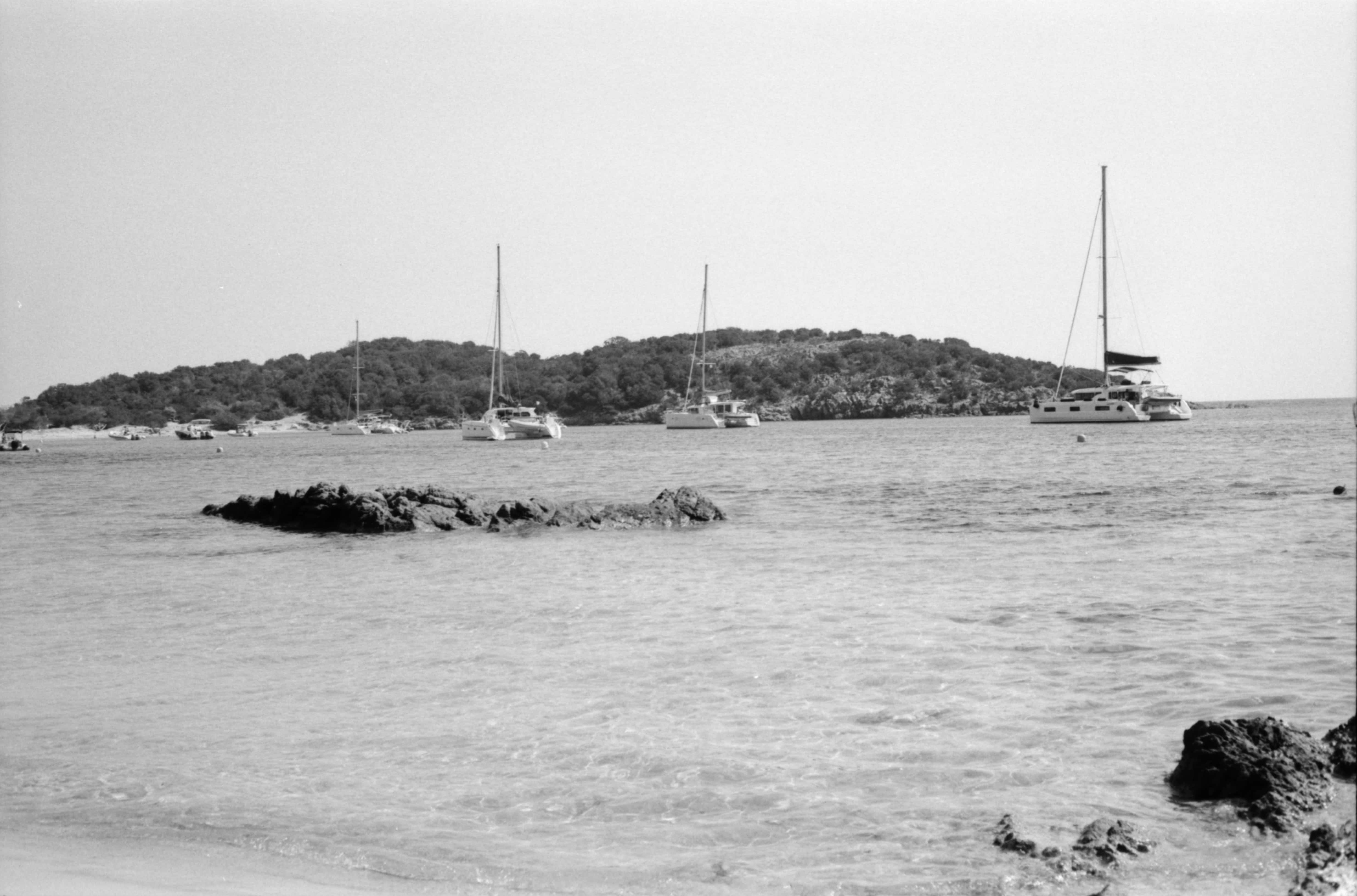
Flying to Corsica
It seems like a lot for a relatively small island, but Corse has four international airports available. There are technically even more airports but the ones that aren’t listed below are small and not used for typical commercial flights.
If you are booking a flight from or to a destination with multiple airports, always be extra mindful and aware of the airport you booked. Nothing ruins a vacation like the silly mistake of going to the wrong airport!
Airports on Corsica
Ajaccio Napoléon Bonaparte Airport (AJA) – located 10 minutes by car to the center of Ajaccio
Bastia Poretta (BIA) – located 30 minutes by car to Bastia town
Calvi Airport (CLY) – located 10 minutes by car to the city of Calvi
Figari Sud-Corse Airport (FSC) – located 25 minutes by car to the nearest major town of Porto-Vecchio
Which Airlines Fly to Corsica?
All four Corsica airports serve flights by some of Europe’s most popular airlines. You’ll find exclusivity with a handful of airlines and specific airports but it really will just come down to your preference on route, ending location and date(s).
You’ll find that Air Corsica and Air France have the most coverage and are operational at each airport in Corsica. Here is a full list of airlines which fly to Corsica:
Air Corsica
Air France
Amélia
British Airways
Easyjet
Eurowings
Lubeck Air
Lufthansa
Luxair
Norwegian Air Shuttle
Regourd Aviation
Transavia France
Volotea
Vueling
Does Corsica Have Direct Flights?
The island of Corse is actually closer to mainland Italy than it is to France, but you’ll find the most direct flights to be domestic. Nonstop flights from any major French airport to Corsica are available any time of the year.
During the summer, many European cities also begin to offer direct flights to the island of Corse. It’s crucial to double check off season flights versus high season flights as routes are subtracted and added accordingly.
Aside from French cities, there are some prominent nonstop flights to Corsica from European cities:
Munich to Bastia (1 hr and 20 mins)
Rome to Bastia or Ajaccio (1hr)
Barcelona to Bastia (1 hr and 15 mins)
Zurich to Ajaccio (2 hrs and 30 mins)
Oslo to Ajaccio (3 hrs)
Copenhagen to Bastia (2 hrs and 15 mins)
Rotterdam to Bastia (2 hrs)
Berlin to Bastia (2 hrs)
Lisbon to Bastia (2 hrs and 30 mins)
How to Get to Corsica From The UK
Flights to Corse depart from all of London’s main airports including Heathrow, Gatwick and Stansted. Nonstop flights from London to Bastia are often operated by easyJet.
British Airways also offers direct flights which are typically more expensive and land at Figari Airport instead. Flight time from the UK takes a little over two hours to reach the beautiful island of Corsica.
How to Get to Corsica From The U.S.
Unfortunately, you won’t find a direct flight from the U.S. to Corsica but this doesn’t mean it’s a completely inconvenient place to get to from the Unites States. Since France is so well connected to Corsica, you just need to focus on the cheapest and quickest way to get to France.
Nonstop flights from cities like Paris (Paris CDG and Paris Orly) to Corsica are available daily and take less than two hours to reach all four airports Corsica airports. These domestic flights are typically operated by easyJet, Air France and Air Corsica the entire year.
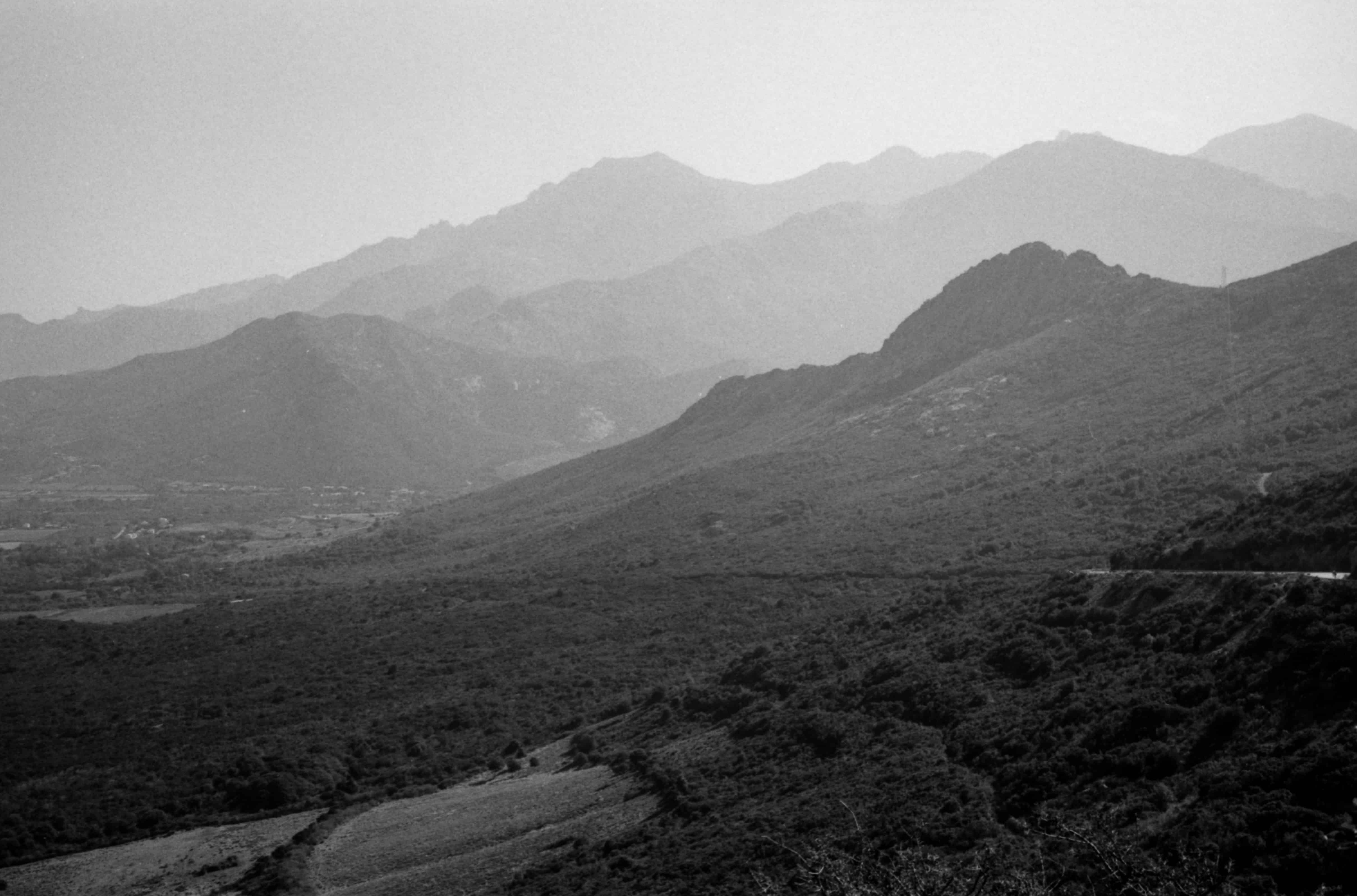
Best Time to Visit Corsica
Before figuring out how you’ll be getting to Corsica, you’ll want to nail down when you plan on visiting. An assuring fact to keep in mind when choosing your travel dates is consistent sun.
Corsica’s average of 2,800 hours of sunshine throughout the year is impressive. This clearly means that summers are accordingly warm and enjoyable for beaches, camping and coastal activities such as boat rides. The remainder of the year remains mild near the coastline.
The mountainous and inland areas normally get appropriately cold with even heavy snowfall in the winter.
Summer
Unsurprisingly, visitors will most commonly head to Corsica in the summer to enjoy the beautiful beaches, crystal clear water and astonishing coastline.
June – August are peak season months for tourists and will be the warmest months with temperatures hitting 27°C / 80°F. It’s highly recommended to book accommodation with plenty of time before your trip as availability begins to diminish.
A budget friendly and fun alternative is to camp on Corse at one of the many phenomenal campsites instead.
⛺️ Read More: A Guide on Camping in Corsica
The summer season on Corsica ends later than one may assume. Visiting as late as October means you’ll still be able to enjoy nice sunny weather. You’ll also be rewards with half the number of people visiting Corse.
The biggest benefit of visiting during a shoulder month such as October are the deals you’ll find on hotels and apartments. Experiences and guided tours will also cost less as operators are trying to fill seats during slower times of the year.
Winter & Shoulder Season
A winter holiday in Corse can be enjoyed on the slopes as there are a few ski areas on the island. The mountains are modest but Station de ski de Ghisoni and Station de ski d’Asco are both beautiful and delightful options for enjoying a winter vacation on Corse.
If you’re looking for a unique way to spend Christmas, consider staying in Corsica for the holidays. With being on an island, you’ll experience unique traditions different from the ones in mainland France or Italy.
The Corsican culture in general can be very distinctive and there’s no better way to discover its magic than by observing Christmas on the island.
Traveling to Corsica in the fall and spring time is ideal for hikers or other outdoor sports such as mountain biking.
The weather is not scorching hot and more than half of the month’s days will be dry. November – February is really the only time one would want to steer away from visiting Corse for spending time outdoors.
With November being the wettest month of the entire year, the rain does begin to disappear by March and April.
Getting Around Corsica
There are many places we’ve visited where we end up parking our car for a few days and explore the area on foot instead. These places tend to be super walkable or public transportation is efficient and accessible. Corsica is just not one of these places.
If you do not have a rental car as part of your itinerary, we highly recommend considering it if you don’t plan on staying within walking distance of your hotel the entire trip.
We understand everyone has their own style of traveling but to not venture far from your home base in Corsica would be a shame.
Corse is one of the most spectacular places in Europe and to properly tour what it has to offer, you’ll want a car.
Driving your own car? Corsica island is an ideal destination for overlanding. Bringing an off-road vehicle to the island is a fantastic way to experience Corsica.
There are many secluded and difficult to reach areas on Corse, ideal for those looking to do some 4×4 guided excursions or reach unfrequented beaches.
More Sardinia and Corsica Travel Posts:
- How to Camp on Corsica
- Best Beaches on Corsica
- Corsica Road Trip Guide
- Budget Travel in Sardinia
- Best Beaches on La Maddalena
- How to Get to La Maddalena
Travel Resources for Getting to Corsica
☔️ TRAVEL INSURANCE: EKTA or VisitorsCoverage
✈️ FLIGHTS: Skyscanner, CheapOair or Kiwi.com
🚙 CAR RENTALS: Discover Cars or Rentalcars.com
🚊 TRAINS & BUSES: Busbud, Trainline or Omio
🛳 FERRIES: Direct Ferries
🛌 ACCOMMODATION: Booking.com, Agoda or Trivago
☎️ ESIM / CELL PHONE DATA: Airalo
📸 TOURS & ACTIVITIES: GetYourGuide or Viator
